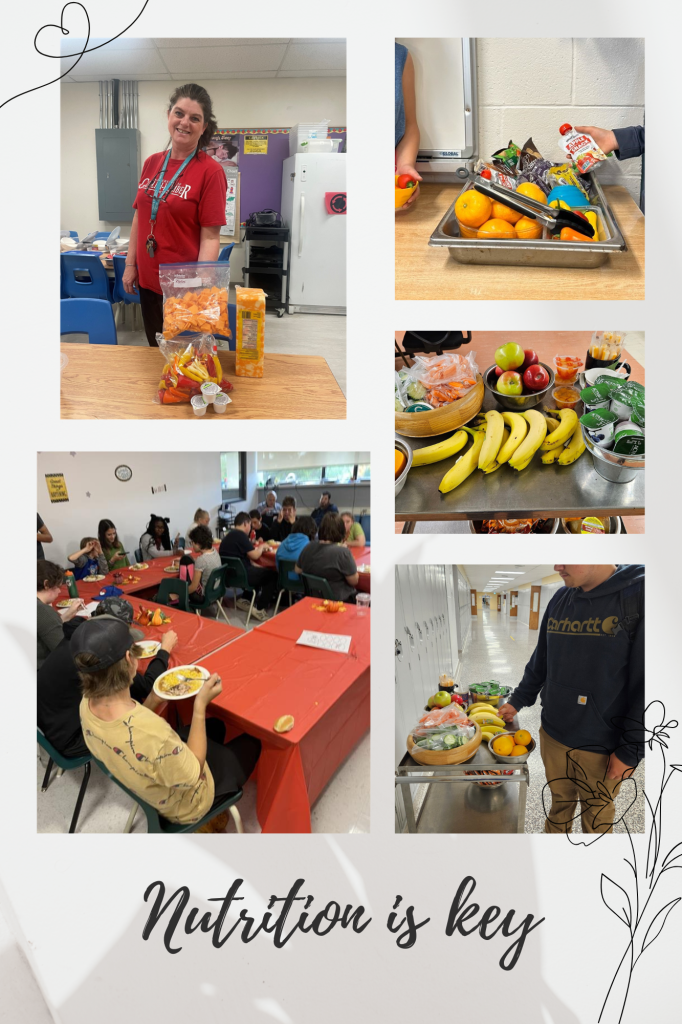
As our programs continue to grow, we are always discovering ways to improve the programs and the larger operation. Here we look at some of our challenges that we encounter and some of our successes. Year after year, we are seeing significant growth within our programs across the region, which signifies their impact on our student communities.
One of our biggest challenges we encounter is operating without a centralized food warehouse. Without proper storage, especially for perishable and bulk items, it is difficult to purchase food in larger quantities or plan ahead. The lack of infrastructure means many programs face inconsistent supply and limited flexibility, making it harder to meet the growing needs of our schools.
Our solution to this challenge has been to explore new community-based partnerships that could help us access reliable storage space. We are currently in early-stage discussions with Harvest Algoma, a local food resource hub, to potentially use their warehouse facilities to support Student Nutrition Program logistics.
We also continued to rely on Lock City Dairies as a key distributor for several of our programs, helping ensure a consistent flow of items to schools.
So far, this process has given us a much better understanding of the infrastructure needed to support our programs long term. While we are still working toward a permanent solution, these early steps are helping us move toward a more reliable and sustainable way to support school nutrition across the region.
Our biggest success this year was enhancing infrastructure across multiple school nutrition programs and seizing opportunities to deliver food to students. One of the most impactful investments was the purchase and installation of six industrial dishwashers in schools across the Algoma region. This upgrade is significant because it supports the shift toward reusable dishware and more efficient kitchen operations, both of which are essential to long-term sustainability.
In addition, we have continued working closely with Harvest Algoma to coordinate a large-scale donation of fresh grapes, which we allocated and personally delivered to schools throughout the region. This spontaneous opportunity demonstrated how strong local partnerships and logistical coordination can quickly translate into real benefits for students.
The partners and funders we work with to make this success happen included local school boards, Harvest Algoma, and supporting donors who helped fund the infrastructure purchases.
These efforts have made a real difference. The new dishwashers are helping schools run their programs more smoothly and efficiently, making it easier to serve healthy meals every day. Delivering fresh grapes to schools was a great example of what is possible when we work together locally.
Making sure students have access to nutritious food at school is at the heart of what we do. These programs play a key role in helping kids stay focused, feel their best, and are ready to learn. With the help of dedicated school staff, volunteers, and community partners, we have continued to support programs across the region and meet the growing need for reliable nutrition in schools.
Here is what that looked like:
Students served (daily average): 9,617
Meals and snacks served (total): 1,776,707
Programs supported: 80
Every meal counts and these numbers reflect just how many students and schools rely on these programs throughout the year.
Testimonials from Staff and Students
“The breakfast program is free which is great and I am able to grab something fast before class and don’t have to worry if I forgot to pack something.” Anonymous, Grade 10 student
“I used to skip breakfast almost every day because I didn’t have time or food at home. Now I know I can grab something healthy in the morning and actually feel energized for class.” Grade 11 Student
“The breakfast program helps me concentrate. When I eat before class, I’m not distracted by how hungry I am.” Grade 11 student
“This is important work! The children need this.” Retired teacher, volunteer/shopper
“My mom always helped at my school, now I help at my kids’ school. You have to give back.” Working parent, volunteer