Overcoming Challenges
Schools are facing mounting pressures as economic conditions continue to shift. With grant funding seeing only minimal increases each year, many are finding it increasingly difficult to keep up with the rising cost of nutritious food. As healthy options become more expensive, hunger is showing up more frequently in classrooms, placing additional strain on school nutrition programs.
In response, Healthy Eating for Better Learning (HEBL) has focused on offering practical support wherever possible. We continue to provide our subsidized programs, such as cheese, eggs, apples, carrots, and the Backpack Program. We have provided guidance to help schools stretch their budgets more effectively. Together with school teams, we’ve explored creative solutions to keep programs sustainable. One recommendation has been to recruit volunteers who can assist with snack preparation, reducing reliance on costly prepackaged products rather than asking families solely for financial contributions.
Even with these ongoing challenges, our commitment remains strong. We will continue collaborating with schools across all regions to ensure students have consistent access to nourishing food that supports their learning, well-being, and success.
Success Story
An important goal for our SNP was to continue to increase the frequency of workshops we offer. A new goal we had was to introduce new workshop topics that directly align with the curriculum, such as science-focused sessions, and incorporate cultural food experiences to help students build awareness and appreciation of different ethnicities. In addition, we have been working towards collaborating more closely with colleagues to co-facilitate workshops, strengthening both delivery and engagement.
These efforts have resulted in engaging, practical workshops that teach students about healthy food choices and simple recipes they can enjoy at school or at home. By aligning content with curriculum areas and diversifying the themes we offer, we’ve been able to provide even stronger support to schools.
Thanks to these initiatives, we have already quadrupled our number of workshops so far in the 2025-26 school year compared to 2024-25. We’re very proud of the progress made and excited to continue building on this momentum to support student health and learning.
Testimonial
É.É.C Saint-Paul
Workshop; Juice and Cookie Making
November 2025
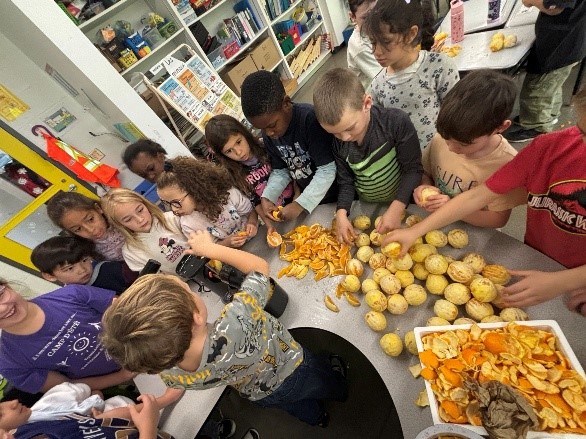
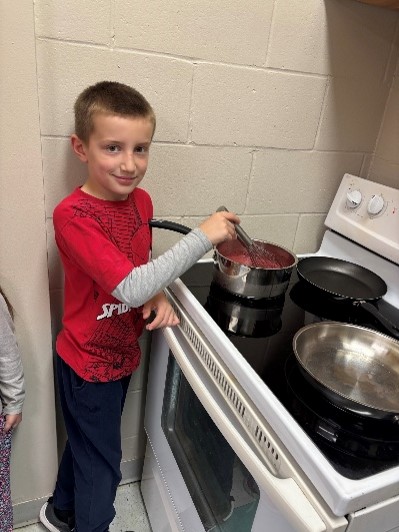
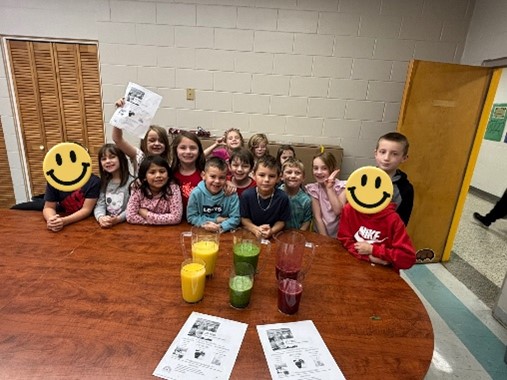
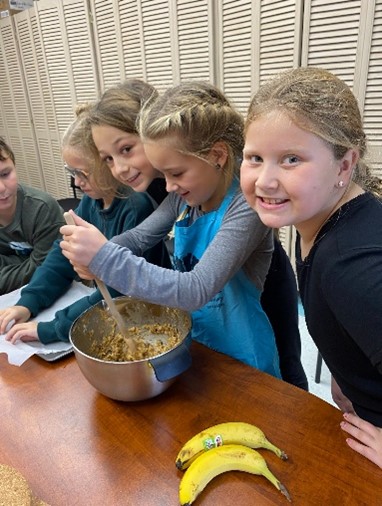
At É.É.C St. Paul, we had two workshops; one on how to make juice as well as one for oatmeal cookies. These really solidified my science teaching on the concepts of solids and liquids as well as the concepts of rocks and minerals. The students who made the juices had the chance to prepare the fruits and vegetables to make the juice themselves using tools such as a blender and a hand mixer. They were then able to taste the three prepared recipes and see which one was the most appreciated by their classmates. For the cookies, it involved discussing which ingredients represented rocks/minerals and then making cookies using a recipe they had to read and follow. It was appreciated that the facilitator took the time to consult me to find out how to incorporate science into the cooking workshops and for this wonderful experience that the students were able to have! I hope all my groups will benefit from these types of workshops!
Impact
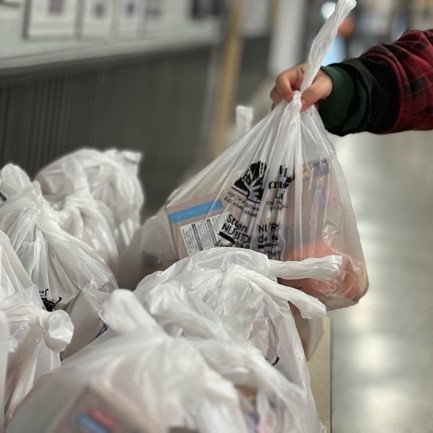
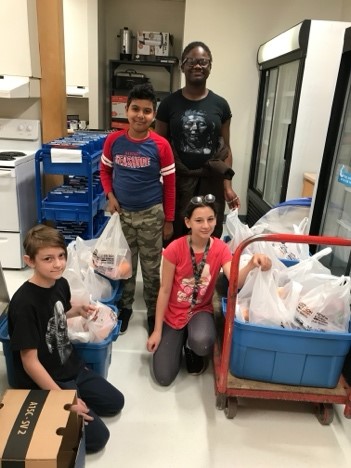
The Backpack Program, along with our other subsidized programs (cheese curds, eggs, apples, etc.), have remained a cornerstone of our efforts to support students at school and beyond. Many schools have reported a noticeable rise in student hunger, making these programs more impactful than ever.
Thanks to new federal funding, we have been able to increase the frequency of subsidized programs connected to this initiative, allowing us to reach more learners and families. We also established a new distribution partnership with SYSCO. This will strengthen our supply chain and improv the consistency and efficiency of food deliveries alongside our ongoing partnership with Jack Larabie.
These programs continue to operate with very few eligibility requirements, which helps schools offer support without barriers. By maintaining an inclusive model, these programs not only promote food security but also help foster a sense of equity and dignity for all students.
Our impact based on Q4 data (ending March 2025) …
- Number of students served 50,858
- Number of meals served 6,689,313
- Number of programs supported 219